perma USA
Reactive vs Active Lubrication: What’s the Real Difference?
06 | 12 | 2026

Reactive vs Active Lubrication: What’s the Real Difference?

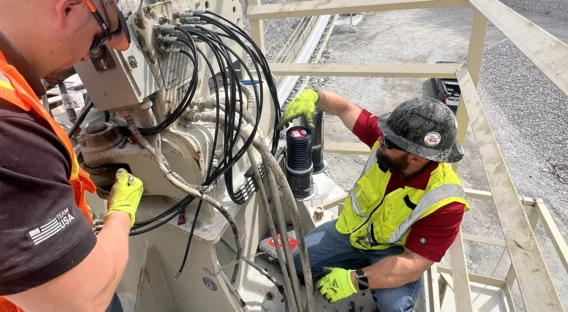
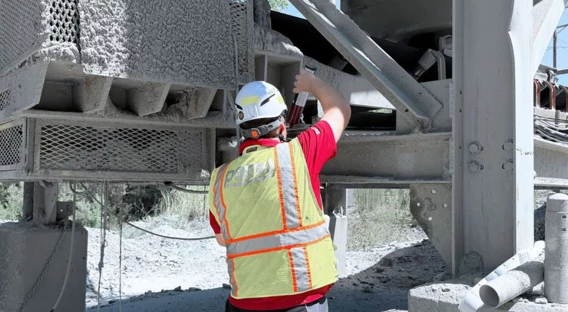
automatic lubrication system installed on industrial equipment

Most lubrication failures are not caused by a lack of grease.

They are caused by inconsistency.

In many facilities, lubrication still depends on manual schedules and human execution. Bearings are greased at set intervals, routes are assigned and maintenance teams work hard to keep equipment running. But even with a preventive maintenance program in place, lubrication can still become inconsistent.

Some points get missed. Others receive too much lubricant. Hard-to-reach areas may be delayed. When operating conditions change, a manual schedule may not always keep up.

The result can include:

  • Unplanned downtime
  • Premature component failure
  • Increased maintenance labor
  • Lubrication-related issues that should have been preventable

This is where the difference between reactive and active lubrication becomes important.

Reactive lubrication leaves teams responding to problems after inconsistency has already created risk. Active lubrication gives maintenance teams more control, consistency and visibility across lubrication points.

Understanding that difference is the first step toward building a more reliable lubrication strategy.

What Is Reactive Lubrication?

Reactive lubrication happens when maintenance teams respond to lubrication issues after they have already created a problem.

In some cases, this means grease is applied only after equipment shows signs of trouble, such as noise, heat, vibration or premature wear. In other cases, reactive lubrication happens inside a manual preventive program when lubrication tasks are missed, delayed, applied inconsistently or based on fixed intervals that do not match actual operating conditions.

Common examples include:

  • Greasing a bearing only after it begins making noise
  • Reapplying lubricant after a failure has already occurred
  • Discovering a missed lubrication point during an inspection
  • Using manual routes that depend heavily on technician availability
  • Applying the same amount of lubricant on the same schedule, even when conditions change

This approach creates variability.

Manual lubrication depends on people, schedules, access and timing. Even experienced maintenance teams can struggle to keep every lubrication point serviced consistently, especially in facilities with hard-to-reach equipment, changing production demands or limited maintenance resources.

Over time, that variability can lead to two common problems:

  1. Over-greasing, which can damage seals and bearings
  2. Under-greasing, which increases friction, heat and wear

The issue is not that scheduled maintenance is bad. Preventive maintenance is an important step forward from waiting for equipment to fail. The challenge is that manual, time-based lubrication can still leave room for inconsistency when conditions change or execution becomes difficult to standardize.

With active lubrication, maintenance teams can move from simply completing lubrication tasks to managing lubrication performance.

What Is Active Lubrication?

Active lubrication is a more controlled approach.

Instead of relying only on manual routes and fixed maintenance routines, active lubrication uses automated lubrication systems to deliver lubricant consistently and accurately over time. This helps reduce the risk of missed points, over-greasing, under-greasing and inconsistent manual application.

With active lubrication, maintenance teams can move from simply completing lubrication tasks to managing lubrication performance.

Active lubrication may include:

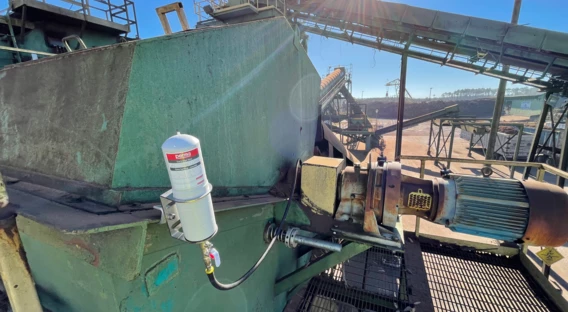
  • Single-point automatic lubrication systems
  • Controlled lubricant delivery at set intervals
  • Reduced reliance on manual greasing routes
  • More consistent lubrication across critical points
  • Monitoring tools that provide visibility into lubrication activity

This is especially valuable for equipment that is difficult to access, operates continuously or plays a critical role in production.

With tools like perma CONNECT, maintenance teams can also gain more visibility into lubrication points, receive alerts and respond more quickly when attention is needed. This turns lubrication into a more controlled and verifiable process.

Active lubrication does not replace a strong maintenance strategy. It strengthens it.

Reactive vs Active Lubrication: Key Differences

Both approaches are connected to equipment reliability, but they operate very differently.

Reactive lubrication often depends on manual execution and response after a problem appears. Active lubrication focuses on consistency, automation, and control before lubrication-related issues lead to downtime.

Reactive Lubrication

Active Lubrication

Responds after issues appear

Helps prevent issues before they escalate

Relies heavily on manual application

Uses automated lubricant delivery

Can result in missed or inconsistent lubrication

Provides more consistent lubrication output

Limited visibility into lubrication activity

Improved visibility with monitoring tools

Higher risk of over-greasing or under-greasing

More controlled lubricant delivery

Labor-intensive routes

Reduced manual maintenance effort

Variable results

More repeatable performance

Reactive lubrication creates variability.

Active lubrication creates control.

That difference is what allows maintenance teams to reduce lubrication-related failures, improve uptime, and spend less time reacting to avoidable problems.

The Hidden Cost of Staying Reactive

At first glance, manual scheduled lubrication can feel safe and structured. Routes are assigned. Tasks are documented. Maintenance is being performed.

But if lubrication still depends heavily on manual execution, hidden costs can continue to build.

A missed lubrication point can lead to premature wear. Too much lubricant can damage seals and bearings. Too little lubricant can increase friction, heat and component failure. A change in operating conditions can make a standard schedule less effective.

These issues often lead to the same outcome: unplanned downtime.

There is also the cost of labor.

Technicians spend valuable time walking lubrication routes, accessing hard-to-reach points and performing repetitive manual tasks. In some environments, these tasks may require equipment shutdowns, safety precautions or extra time simply to reach the lubrication point.

Even when teams are doing everything they can, manual lubrication can be difficult to standardize across shifts, locations and equipment types.

Common hidden costs include:

  • Emergency maintenance
  • Production interruptions
  • Premature bearing or component replacement
  • Excess lubricant usage
  • Additional labor hours
  • Safety risks from accessing difficult lubrication points
  • Reduced confidence in whether lubrication was completed correctly

Reactive lubrication does not always look chaotic on the surface. Sometimes, it looks like a routine that is no longer giving teams the control they need.

Moving from reactive to active lubrication does not require a complete overhaul of your maintenance program

How to Move from Reactive to Active Lubrication

Moving from reactive to active lubrication does not require a complete overhaul of your maintenance program.

It starts with focused changes that improve consistency, visibility and control.

1. Identify High-Risk Lubrication Points

Not every asset needs to be addressed at once.

Start with equipment where lubrication inconsistency creates the greatest risk. 

This may include assets with:

  • Frequent failures
  • High downtime costs
  • Difficult access points
  • Continuous operation
  • Critical impact on production
  • Known over-greasing or under-greasing issues

These are the areas where active lubrication can deliver the fastest and most measurable impact.

2. Replace Manual Lubrication with Automated Systems

Manual lubrication introduces variability. Automated lubrication helps reduce it.

By implementing single-point lubrication systems, maintenance teams can deliver lubricant in controlled amounts over time without relying only on manual application. This helps reduce the risk of missed points, inconsistent greasing, over-greasing and under-greasing.

For teams managing multiple lubrication points, automation can also reduce the time spent on repetitive routes and allow maintenance staff to focus on higher-value reliability work.

single-point lubrication systems designed to reduce downtime, improve consistency and give your team greater control over lubrication performance

3. Improve Visibility Across Lubrication Points

Consistency is important, but visibility makes lubrication easier to manage.

When teams cannot easily verify lubrication activity, it becomes harder to know whether each point is being serviced as intended. Monitoring tools can help close that gap.

With solutions like perma CONNECT, maintenance teams can track lubrication activity, receive alerts and respond when a lubrication point needs attention. This helps turn lubrication from a manual task into a more visible and controlled maintenance process.

4. Scale Across Critical Assets

Once automated and monitored lubrication is in place on high-risk equipment, the approach can be expanded across other critical assets.

Standardization becomes easier. Maintenance becomes more predictable. Teams spend less time reacting to problems and more time improving reliability across the facility.

Scaling does not have to happen all at once. Many facilities begin with the most critical applications, prove the value and then expand the program over time.

5. Integrate Lubrication into Your Reliability Strategy

Active lubrication is not just a product upgrade. It is part of a broader reliability strategy.

By combining automation, consistency and visibility, maintenance teams can reduce lubrication-related failures and improve long-term asset performance.

Facilities that take this approach are not just improving lubrication. They are reducing downtime, increasing reliability and creating a more controlled maintenance process.

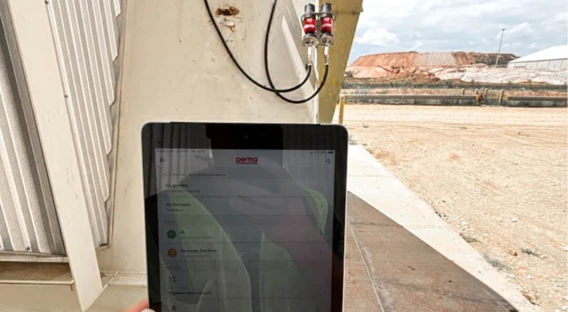
lubrication monitoring system dashboard with real time data

Moving Beyond Manual Lubrication

Manual lubrication schedules have helped maintenance teams bring structure to lubrication programs. They are an important step beyond waiting for equipment to fail.

But manual processes still have limits.

They can be difficult to standardize. They depend on technician availability and access. They may not always adjust easily to changing operating conditions. And they often provide limited visibility into what is actually happening at each lubrication point.

Active lubrication helps close that gap.

By using automated lubrication systems and adding monitoring where needed, maintenance teams can reduce inconsistency, improve control and lower the risk of lubrication-related downtime.

The result is not just fewer breakdowns. It is a more reliable and efficient operation with less time spent reacting and more time focused on performance.

If your team is still relying heavily on manual lubrication routes, it may be time to take a more controlled and consistent approach.

Explore single-point lubrication systems designed to reduce downtime, improve consistency and give your team greater control over lubrication performance.

All news