
From Frequent Bearing Failures to Reliable Production
Like many aggregate producers, P&R's Log Washer and Sand Screw Equipment operates in one of the harshest lubrication environments imaginable. Water spray, abrasive sand contamination, mud and difficult equipment access all create conditions where maintaining critical bearings becomes an ongoing challenge.
The maintenance team wasn't looking for a lubrication product. They were looking for a way to keep production running.
Results at a Glance

The Real Cost of Manual Lubrication
For years, the operation relied on manual greasing every two weeks using a grease gun.
On paper, that sounds manageable. In reality, it created three costly problems.
Pain #1: Inconsistent Lubrication in a Harsh Environment
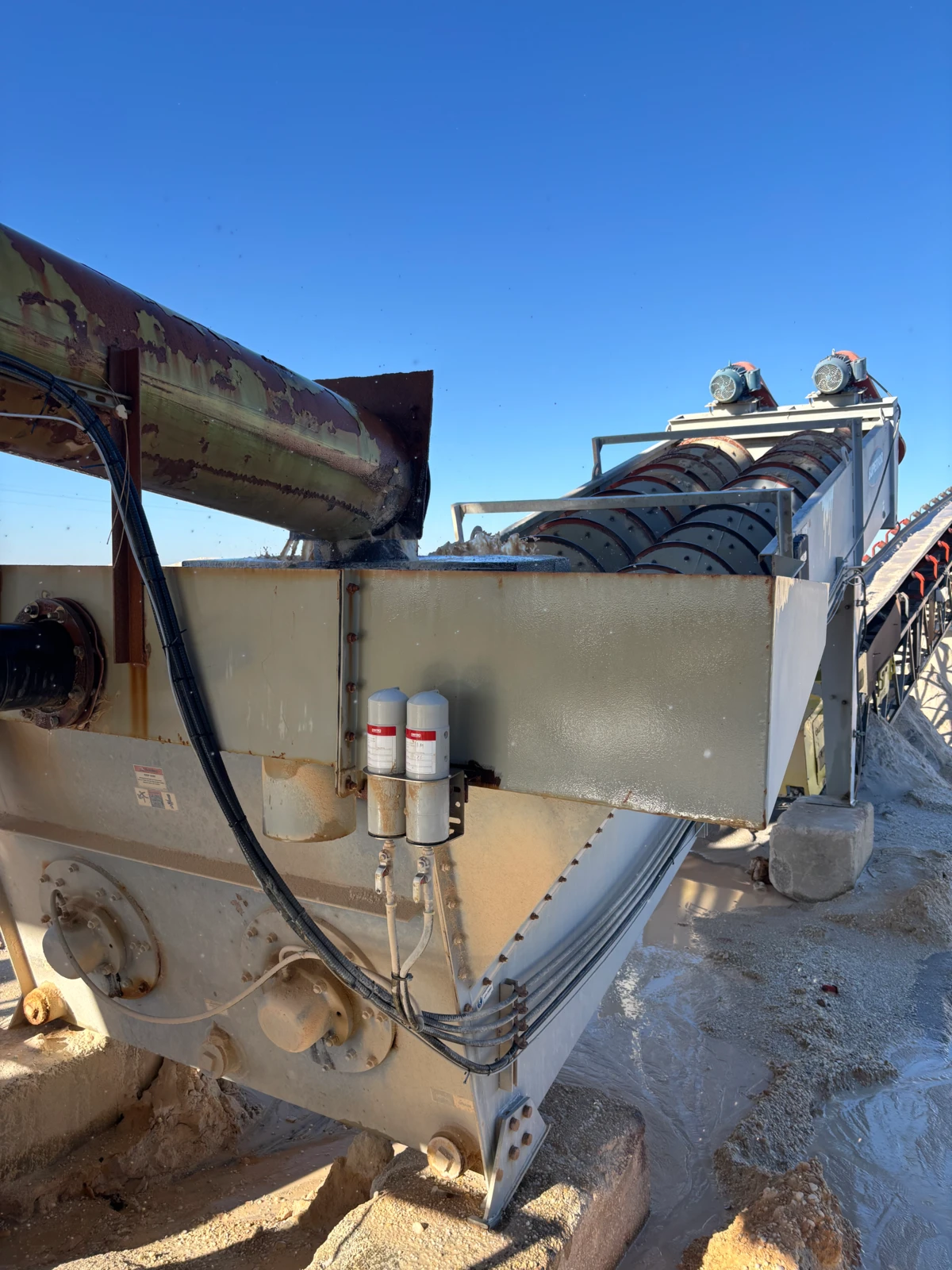
The wash plant's log washers and sand screws operate in a constantly wet, contamination-prone environment. Water intrusion, sand contamination and difficult access made consistent lubrication difficult.
How did that impact them?
The operation experienced an average of 3-4 bearing failures per year. Each failure triggered repairs, downtime and production disruptions.
Guide
perma worked closely with the site to evaluate lubrication practices and identify the root cause.
Plan
Automate Critical Bearings
- Install perma STAR VARIO lubricators on 12 lubrication points
- Deliver lubricant continuously instead of in large manual intervals
- Eliminate missed lubrication cycles
- Minimize contamination during relubrication
Outcome
- Zero bearing failures reported during the first four months after installation
- More consistent lubricant delivery
- Increased bearing reliability
Pain #2: Production Downtime Was Becoming Expensive
Every bearing failure created a cascade of costs.
A single failure included:
- Lower bearing assembly replacement costs averaging approximately $7,000
- Six hours of downtime
- Production losses valued at approximately $5,250 per hour
That means a single lubrication-related failure could cost:
$38,740 per event
When occurring 3-4 times annually, the financial impact becomes significant.
Guide
Rather than reacting to failures, perma helped the maintenance team shift toward a preventative approach.
Plan
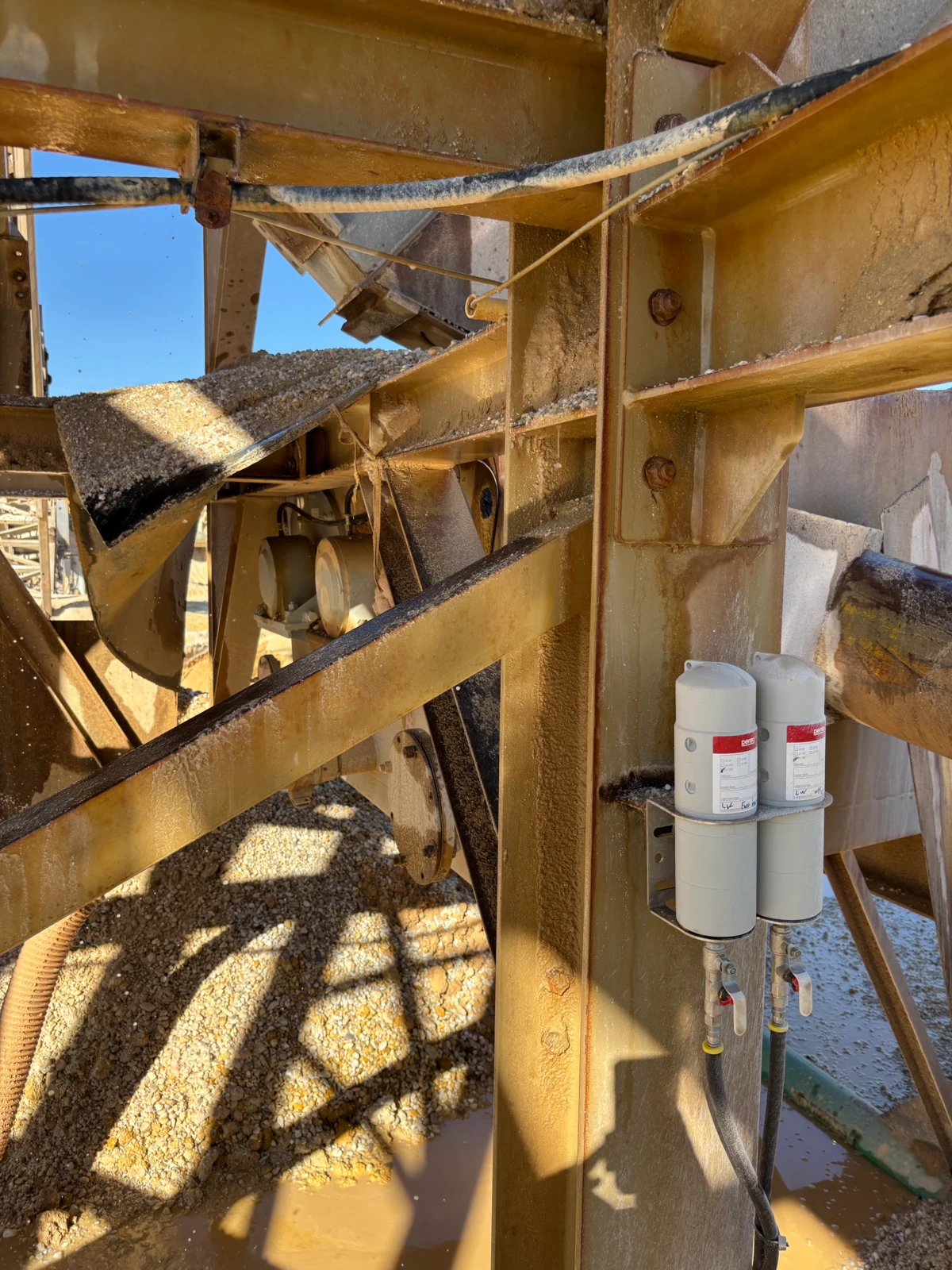
Maintain Bearings Continuously
- Deliver precise lubricant quantities 24/7
- Prevent lubricant starvation
- Reduce contamination risk
- Reduce bearing wear
Outcome
Projected reduction in failure events drives an estimated: $609,166 in savings over five years
Pain #3: Maintenance Teams Were Spending Valuable Time Greasing
Maintenance personnel were:
- Manually lubricating every two weeks
- Performing 28 inspections annually
- Walking through muddy conditions to reach lubrication points
- Spending time on routine lubrication rather than value-added maintenance
The challenge wasn't work ethic. The challenge was resource allocation.
Guide
perma identified opportunities to remove repetitive lubrication tasks without sacrificing reliability.
Plan
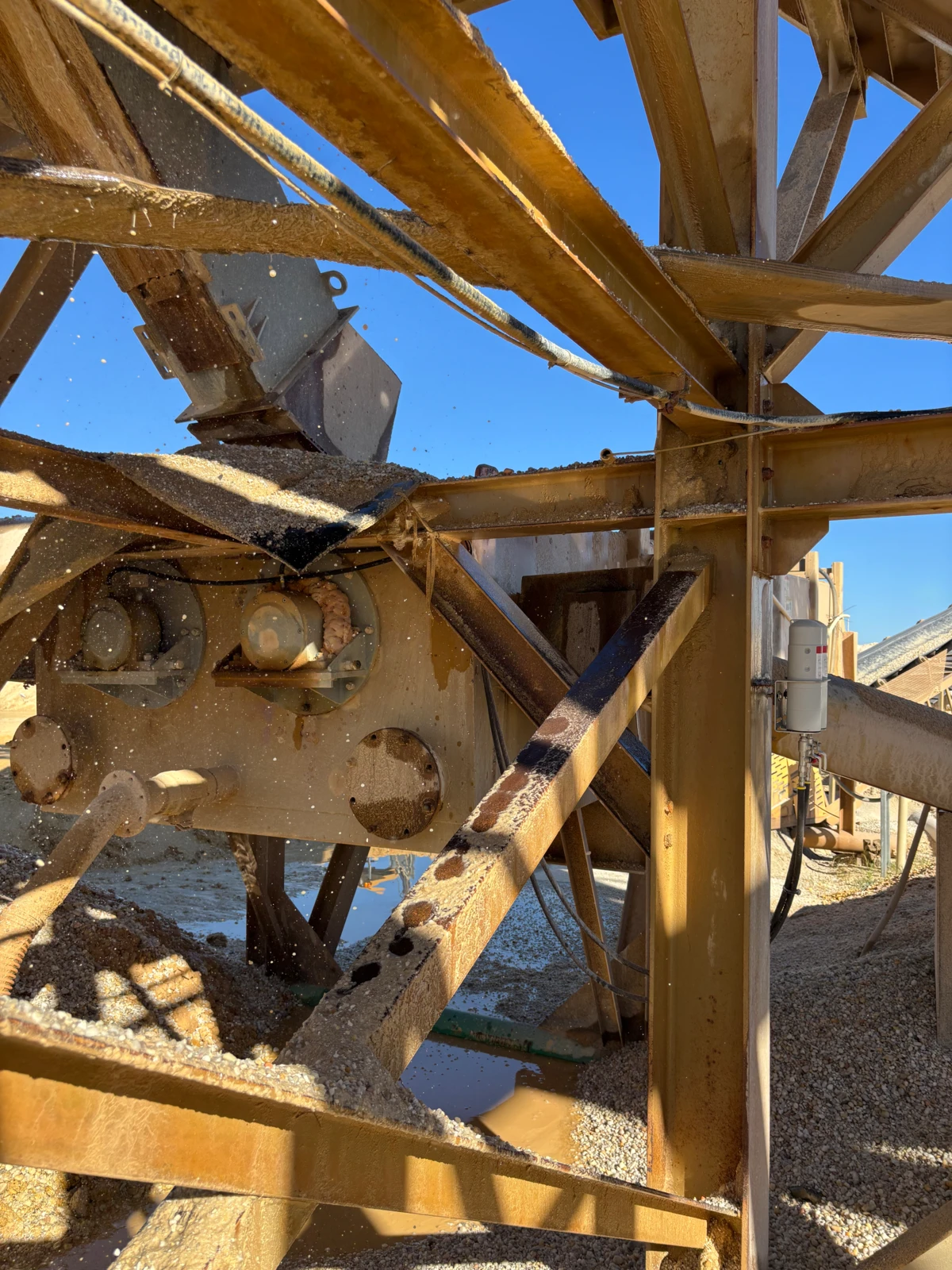
Reduce Manual Maintenance Activities
- Automate lubrication delivery
- Reduce inspection frequency
- Monitor lubrication intervals through a predictable schedule
- Shift maintenance focus to higher-value activities
Outcome
- Inspections reduced from 28/year to 4/year
- Significant reduction in manual lubrication activities
- Improved maintenance efficiency
Pain #4: Safety Risks Increased Every Time Lubrication Was Required
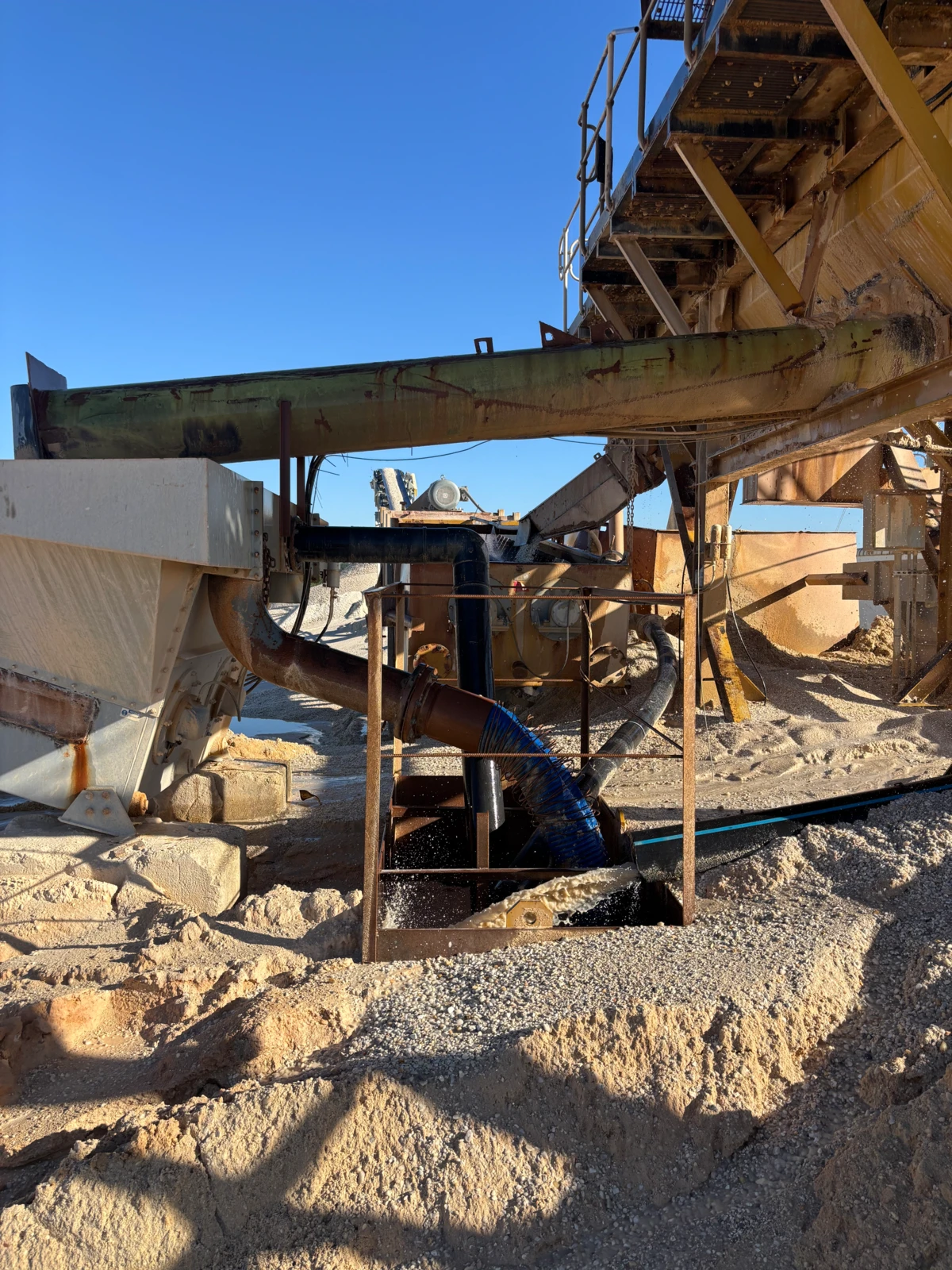
Every manual lubrication event required technicians to enter muddy, wet areas around production equipment.
Each trip increased exposure to:
- Slip hazards
- Wet surfaces
- Contamination
- Difficult access conditions
Guide
perma helped reduce the frequency of exposure rather than simply asking employees to work harder in hazardous conditions.
Plan
Bring Lubrication to the Asset
- Install automatic lubricators directly on equipment
- Minimize field visits
- Reduce unnecessary exposure
Outcome
- Fewer maintenance interventions
- Reduced exposure to hazardous walking routes
- More predictable maintenance planning
The Transformation
What started as a bearing reliability issue became a broader operational improvement initiative.
The site achieved:
- Improved reliability
- Reduced maintenance effort
- Fewer inspections
- Reduced downtime risk
- Improved safety
- Significant projected cost savings
Most importantly, the maintenance team gained confidence that critical bearings were receiving the right amount of lubricant at the right time.
"The perma solution helped us solve a recurring bearing reliability issue on our wash plant equipment. We reduced inspections from 28 to 4 per year and experienced zero bearing failures during the first four months after installation. Based on these results, we plan to expand perma lubrication systems across the rest of the facility."
- Maintenance Technician at P&R Sand & Gravel Operation (CRH Americas Materials)

"When you combine reduced bearing failures, lower downtime, fewer inspections and consistent lubrication, the value becomes clear very quickly. Based on the customer's operating data, we project this installation will generate more than $600,000 in savings over the next five years while significantly improving equipment reliability and maintenance efficiency."