
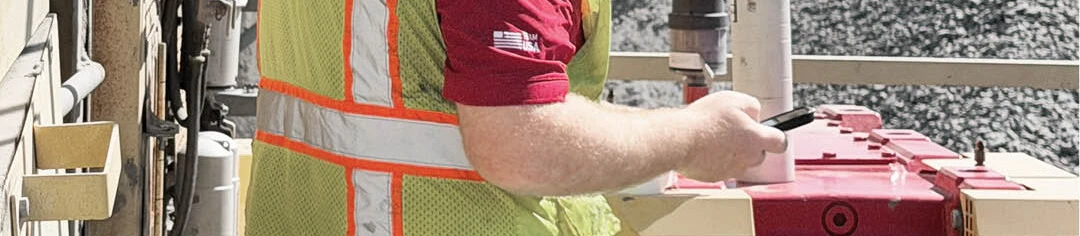
Industry 4.0 is changing how maintenance teams monitor equipment, manage data and make decisions across industrial facilities. Connected systems, remote monitoring and digital maintenance tools are helping teams move away from purely manual processes and toward more visible, informed maintenance workflows.
Lubrication may seem like a traditional maintenance task, but it also has a place in the Industry 4.0 conversation. When lubrication points are hard to reach, spread across a large facility or difficult to check manually, connected lubrication systems can help maintenance teams improve visibility and make more informed decisions.
perma USA connected lubrication solutions support this shift by helping teams monitor selected lubrication points more efficiently. Instead of relying only on manual checks or route-based observation, maintenance teams can use connected lubrication to support more consistent lubrication practices and smarter maintenance planning.
What Does Industry 4.0 Mean for Maintenance?
Industry 4.0 refers to the use of connected technology, automation and data-supported systems in industrial operations. For maintenance teams, this often means finding better ways to monitor equipment, identify issues earlier and make maintenance decisions based on more reliable information.
In practical terms, Industry 4.0 maintenance may include:
- Connected equipment
- Remote monitoring
- Digital maintenance records
- Automated alerts or status updates
- Data-supported maintenance planning
- More visibility across equipment, routes and facilities
The goal is not to collect data for the sake of collecting data. The goal is to give maintenance teams better information so they can work more efficiently, reduce unnecessary manual checks and focus attention where it is needed most.
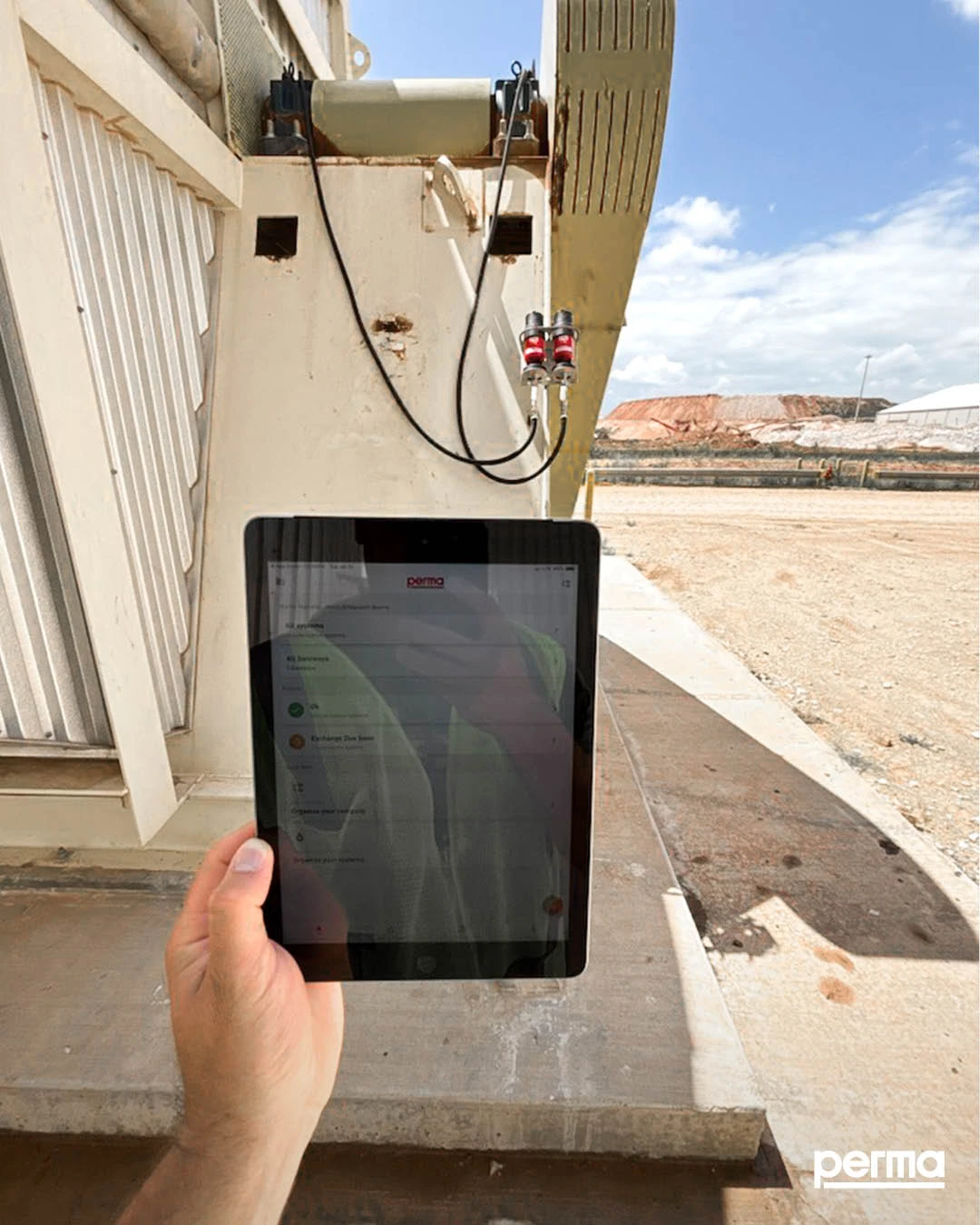
Why Lubrication Belongs in the Industry 4.0 Conversation
Lubrication plays an important role in equipment reliability, but it is often managed through manual routes, physical inspections and paper-based or disconnected documentation. This can make it difficult to know which lubrication points have been checked, which systems need attention or which points are creating unnecessary manual burden.
That visibility gap becomes more challenging when lubrication points are located near moving equipment, in hard-to-reach areas or across large facilities. Maintenance teams may know lubrication is important, but they may not always have an easy way to monitor selected points without physically checking them.
Connected lubrication helps bring this traditional maintenance task into a more digital maintenance environment. With better visibility into lubrication system status, teams can support more consistent lubrication practices and make lubrication easier to manage as part of a broader Industry 4.0 strategy.
What Is Connected Lubrication?
Connected lubrication refers to lubrication systems that provide digital visibility into system status, operation or maintenance needs. These systems may help teams monitor selected lubrication points, review system information or identify when attention may be needed.
Traditional Lubrication Monitoring vs Connected Lubrication Monitoring
| Traditional Monitoring | Connected Monitoring |
|---|---|
| Manual point checks | Remote status visibility |
| Route-based observation | More accessible system information |
| Delayed issue discovery | Earlier awareness of selected issues |
| Paper or manual tracking | Digital support for maintenance planning |
Depending on the system, connected lubrication may support:
- Remote monitoring
- Status updates
- System alerts or notifications
- Better visibility into selected lubrication points
- More informed refill or replacement planning
- Reduced need for unnecessary manual checks
- More consistent documentation of lubrication activity
Connected lubrication does not replace maintenance teams. Instead, it gives technicians, maintenance managers and reliability teams more accessible information about selected lubrication points so they can plan work more effectively.
The Maintenance Challenges Connected Lubrication Helps Address
Connected lubrication is especially useful when manual visibility is limited or when teams are trying to manage lubrication across complex routes, high-priority assets or hard-to-reach points.
Limited Visibility Into Lubrication Status
Manual checks can make it difficult to confirm whether selected lubrication points are operating as expected without physically inspecting them. This can be especially challenging when lubrication systems are installed in areas that are difficult, time-consuming or unsafe to access.
Connected lubrication can help teams gain better visibility into system status so they can make more informed decisions about where attention is needed.
Hard-to-Reach Lubrication Points
Hard-to-reach points create both maintenance and safety challenges. When technicians need to access elevated, confined, hot, moving or otherwise difficult areas, lubrication work may take longer and require additional planning.
Connected lubrication can support these points by reducing the need for unnecessary manual status checks. Technicians still need to inspect equipment and maintain lubrication systems, but remote visibility can make selected points easier to manage.
Missed Maintenance Signals
Without connected visibility, teams may not notice a lubrication issue until the next route, inspection or equipment performance change. By that point, the issue may already be affecting maintenance planning or equipment reliability.
Connected lubrication can help teams identify system status changes earlier, giving them more opportunity to plan the next step before a small issue becomes harder to manage.
Large Facilities or Distributed Equipment
In larger facilities, lubrication points may be spread across multiple lines, production areas or pieces of equipment. Manually checking every point can require significant time and coordination.
Connected lubrication can help centralize visibility for selected systems, making it easier to monitor lubrication activity and prioritize work across a facility.
Time Pressure on Maintenance Teams
Maintenance teams are often balancing planned work, emergency repairs, inspections, safety requirements and production demands. When time is limited, routine lubrication checks can become harder to manage consistently.
Connected tools can help teams focus attention where it is needed instead of relying only on routine manual checks for every point.
How Connected Lubrication Supports Smarter Maintenance Planning
Industry 4.0 maintenance is not only about automation. It is about using better information to plan work more effectively. Connected lubrication can support smarter maintenance planning by helping teams monitor selected lubrication systems and understand which points may need attention.
With connected lubrication, maintenance teams may be better able to:
- Plan refills or replacements
- Monitor selected lubrication points more efficiently
- Reduce unnecessary manual checks
- Support more consistent lubrication documentation
- Identify points that may need attention
- Improve visibility across lubrication routes
- Prioritize critical or hard-to-reach points
This does not mean connected lubrication predicts every failure or eliminates the need for inspections. It means lubrication becomes more visible and easier to manage within a planned maintenance process.
Connected Lubrication and Remote Monitoring
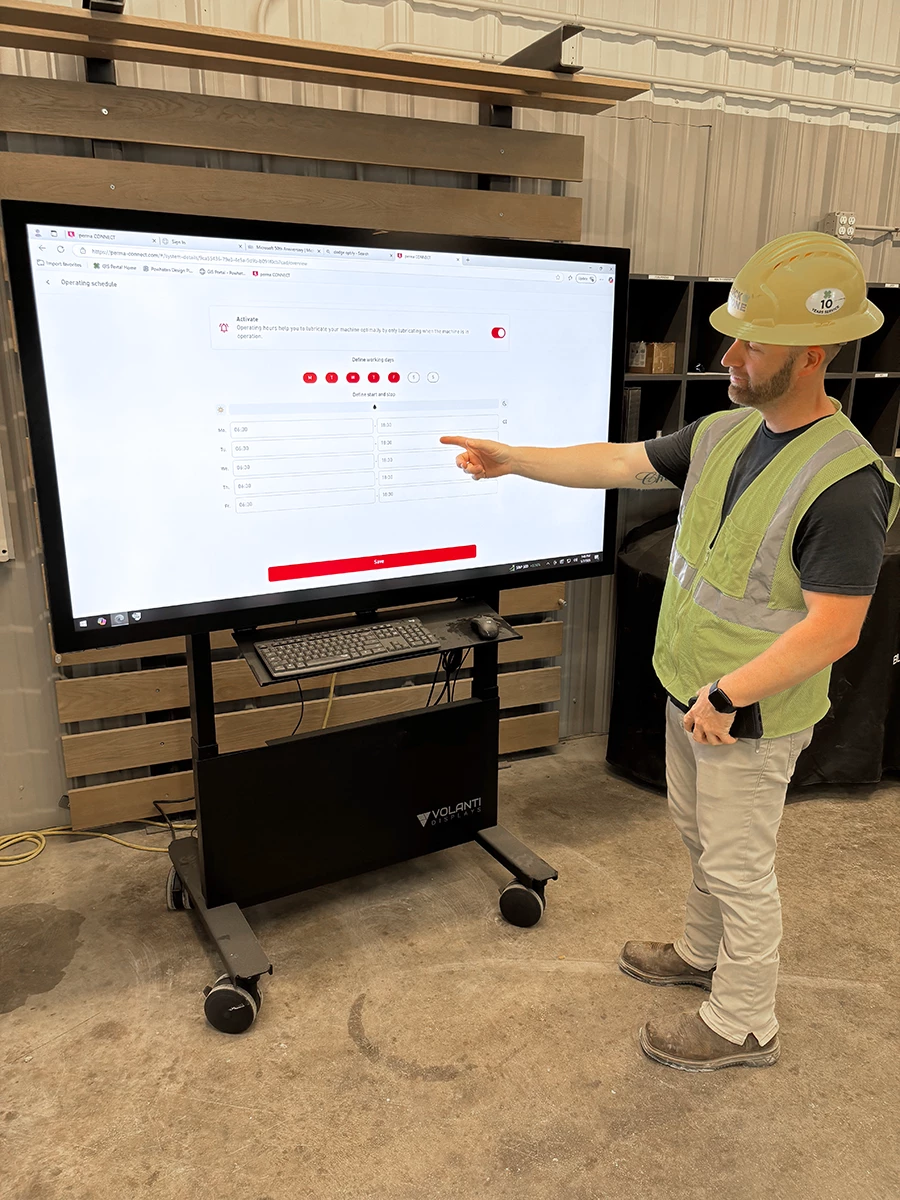
Remote monitoring is one of the clearest ways connected lubrication supports Industry 4.0. Instead of relying only on physical checks, teams can use connected systems to gain more visibility into lubrication status for selected points.
This can be helpful for:
- Hard-to-reach lubrication points
- Frequently missed points
- Equipment in large or spread-out facilities
- Critical production equipment
- Points where manual access creates safety concerns
- Systems that require more frequent oversight
perma USA connected lubrication solutions, including Bluetooth-enabled lubrication systems and remote monitoring options, can help teams bring lubrication into a more visible digital maintenance process. For selected points, this can support better planning and reduce the manual effort required to confirm lubrication system status.
Connected Lubrication Does Not Replace Maintenance Teams
Connected lubrication supports maintenance teams, but it does not replace technician expertise, inspections or maintenance planning.
Lubrication systems still need to be installed correctly, monitored appropriately and maintained over time.
Maintenance teams still need to:
- Inspect equipment
- Confirm proper system setup
- Review application conditions
- Replace or refill lubrication systems as needed
- Adjust lubrication strategy when equipment or operating conditions change
- Confirm that the lubricant, application rate and system type fit the equipment
This is an important part of using connected lubrication effectively. Industry 4.0 tools are most valuable when they support skilled teams with better information, not when they are treated as a replacement for maintenance knowledge.
Where Connected Lubrication Can Make the Biggest Impact
Not every lubrication point needs connected monitoring. The best place to start is often with the points that create the most risk, complexity or manual burden.
Connected lubrication may be especially useful for:
- Hard-to-reach lubrication points
- Safety-sensitive points
- Critical production equipment
- Points that are frequently missed
- Equipment spread across large facilities
- Assets requiring frequent lubrication
- Applications where remote visibility can reduce manual burden
By starting with selected high-value points, maintenance teams can use connected lubrication where it has the clearest operational benefit.
Bringing Lubrication Into the Smart Maintenance Workflow
Connected lubrication helps make a traditional maintenance task more visible, trackable and manageable.
For teams working toward Industry 4.0 maintenance, this can be an important step toward improving visibility across equipment, routes and lubrication points.
Lubrication will always require planning, inspection and maintenance expertise. But with connected lubrication systems, teams can support more consistent lubrication practices while gaining better insight into selected points that are difficult to manage manually.
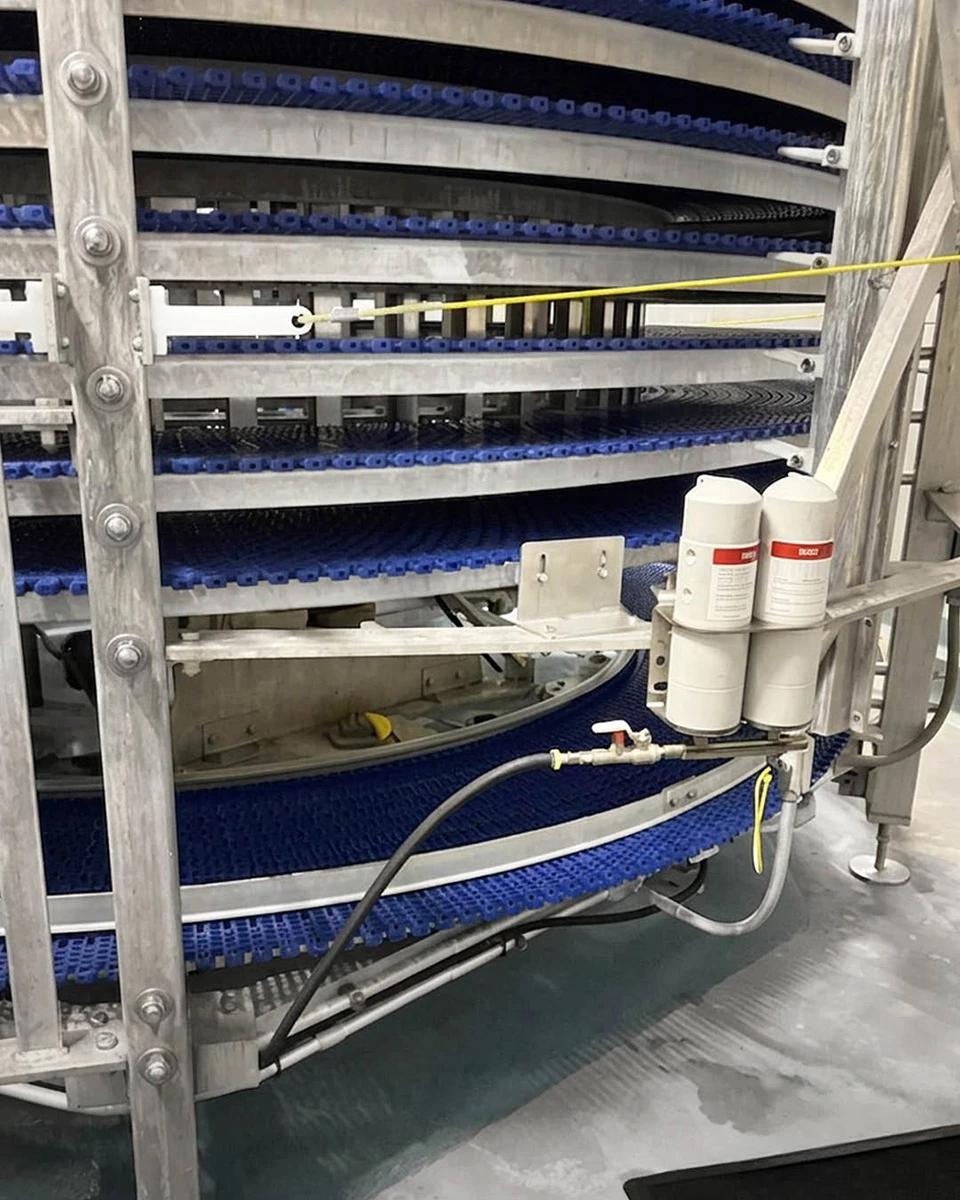
Looking to bring lubrication into your connected maintenance strategy? Contact perma USA to explore connected automatic lubrication options for critical, hard-to-reach or frequently monitored lubrication points.
Sources
- Machinery Lubrication. (n.d.). Lubrication best practices. Retrieved June 30, 2026, fromhttps://www.machinerylubrication.com/Read/28935/lubrication-best-practices
- National Institute of Standards and Technology. (n.d.). Smart manufacturing systems. Retrieved June 30, 2026, fromhttps://www.nist.gov/programs-projects/smart-manufacturing-systems
- Plant Engineering. (n.d.). Predictive maintenance and Industry 4.0. Retrieved June 30, 2026, fromhttps://www.plantengineering.com/