
Production uptime depends on equipment running reliably shift after shift. While lubrication may seem like a routine maintenance task, inconsistent lubrication can create serious production risks over time. Missed lubrication points, incorrect lubricant amounts and delayed intervals can all contribute to friction, wear, heat and avoidable equipment issues.
perma USA supports maintenance teams with automatic lubrication systems designed to improve lubrication consistency at selected points. This article explains how lubrication impacts production uptime, where manual lubrication can become difficult to manage and where automatic lubrication can help.
Why Production Uptime Depends on Equipment Reliability
Equipment uptime is not just about keeping machines running. It also depends on planned maintenance, predictable performance and fewer unexpected interruptions. When equipment fails, safety, output, labor planning and production schedules can all be affected.
A more consistent maintenance process helps teams protect uptime by reducing avoidable gaps in inspections, lubrication and service intervals. For lubrication points that are difficult to access, frequently missed or tied to critical equipment, automatic lubrication can support safer and more consistent maintenance practices.
The Role Lubrication Plays in Keeping Equipment Running
Lubrication performs many roles, including:
- Reducing friction
- Managing heat
- Reducing wear
- Protecting components
- Supporting smooth motion
- Helping prevent premature bearing or component failure
To support consistent equipment performance, lubrication practices should be planned, documented and realistic for maintenance teams to complete. Automatic lubrication can help reduce manual burden at selected points, especially where access is difficult, intervals are frequently missed or safety is a concern.
What Happens When Lubrication Is Inconsistent?
Lubrication problems often build over time. Common lubrication mistakes include missed intervals, excessive lubrication, insufficient lubrication, incorrect lubricant use and poor documentation. These issues can contribute to friction, wear, heat and avoidable equipment problems.
Industrial machines often have many moving parts and lubrication points that require regular attention. When lubrication is inconsistent, equipment reliability can suffer. For selected points, automatic lubrication can help improve consistency and reduce the risk of missed or delayed lubrication.
Missed Lubrication Points
Missed lubrication points are one of the most common inconsistencies in an industrial setting. Missed points can create friction, heat and wear. This is especially common when points are located out of sight or near moving equipment. Motors can overheat, bearings can fail and levers and other critical moving components can be compromised by inadequate lubrication.
Delayed Lubrication Intervals
When intervals are missed or delayed, components may operate without the proper lubrication during critical production periods, leading to equipment failure. Lubrication reliability is a key element of effective workflow.
Delayed lubrication intervals are common during periods of high production and increased demand, making an unplanned equipment failure even more costly.
Over-Greasing and Under-Greasing
Too much lubricant can create buildup, pressure, heat and contamination issues. Too little lubricant can increase friction, wear and the risk of component damage. Both over-greasing and under-greasing can affect equipment performance and create avoidable maintenance issues.
Incorrect Lubricant Type or Amount
Using the wrong lubricant or the wrong amount can reduce performance and contribute to avoidable equipment issues. Lubricant type, viscosity, compatibility, amount and application method should all be matched to the equipment and operating conditions.
Contamination
Contaminated lubricant can contribute to damaged equipment, increase wear and tear or reduce component life. Using old lubricant or lubricant containing dust, metal particles, or water can create issues with corrosion and excess friction or dilute the effectiveness of the lubricant.
How Lubrication Problems Affect Production Uptime
Lubrication problems can contribute to unexpected equipment stops, reduced output and emergency maintenance. When a lubrication issue affects critical equipment or happens repeatedly across a facility, a small maintenance gap can become a larger production issue.
Schedule disruptions can increase labor pressure, interrupt planned maintenance and make it harder for teams to stay ahead of equipment needs. Over time, these interruptions can push teams toward reactive maintenance instead of a planned lubrication approach.
For a broader look at the business impact of downtime, see our guide to the cost of unplanned downtime.
Why Manual Lubrication Can Be Difficult to Keep Consistent
Manual lubrication is widely used and can be effective, but consistency becomes more difficult as routes, equipment and production demands become more complex. This is not usually a technician issue. It is often a process challenge created by time pressure, limited access, changing equipment and competing maintenance priorities.
Consistency can be difficult when:
- Technicians must manage many lubrication points
- Points are hard to access
- Routes are complex
- Equipment changes are not reflected in documentation
- Production schedules limit maintenance windows
- Emergency repairs interrupt planned work
- Lubricant type and amount vary by point
Improving Uptime Starts With Lubrication Consistency
There are several ways to improve lubrication consistency, including:
- Standardized labels and documentation
- Mapping lubrication points
- Confirming lubricant type and amount
- Reviewing service intervals
- Identifying missed or high-risk points
- Using technician feedback
- Prioritizing critical equipment
One practical way to improve consistency is to simplify manual lubrication routes so technicians have clearer instructions, better documentation and a more realistic process to follow.
Where Automatic Lubrication Can Help
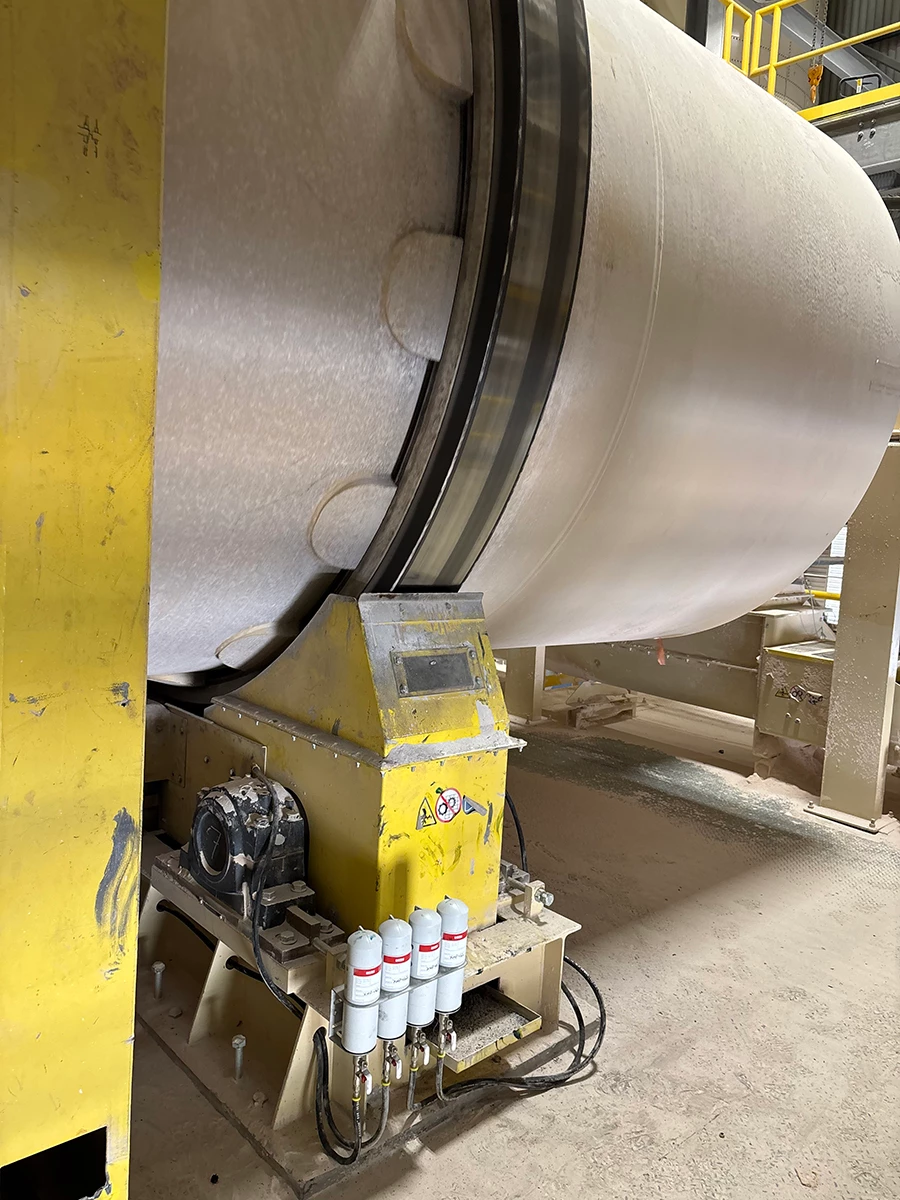
Automatic lubrication systems can help protect uptime by making lubrication more consistent at selected points. This is especially valuable for lubrication points that are hard to reach, frequently missed, near moving equipment or tied to critical production assets.
Single-point lubrication systems can deliver lubricant to specific points at set intervals, helping reduce manual lubrication burden while supporting more consistent application. For critical equipment where downtime is especially costly, automatic lubrication can also help reduce the risk of delayed intervals.
While automatic lubrication helps make lubrication more consistent at selected points, it does not eliminate the need for regular inspections, maintenance planning or technician expertise.
Which Lubrication Points Should Be Prioritized First?
When implementing automatic lubrication, start with the points that create the most risk, complexity or manual burden.
These often include:
- Hard-to-reach points
- Critical equipment tied to production uptime
- Points located near moving equipment
- Frequently missed points
- Components requiring frequent lubrication
- Continuously running equipment
- Areas where manual lubrication creates safety concerns
Protect Production With a More Reliable Lubrication Strategy
Production uptime depends on equipment reliability, and lubrication consistency is one practical way to support that reliability. Clear documentation, simplified routes, preventive maintenance and automatic lubrication for selected points can all help reduce avoidable interruptions.
Looking for ways to improve lubrication consistency and support production uptime? Contact perma USA to explore automatic lubrication options for critical, hard-to-reach or frequently missed lubrication points.