
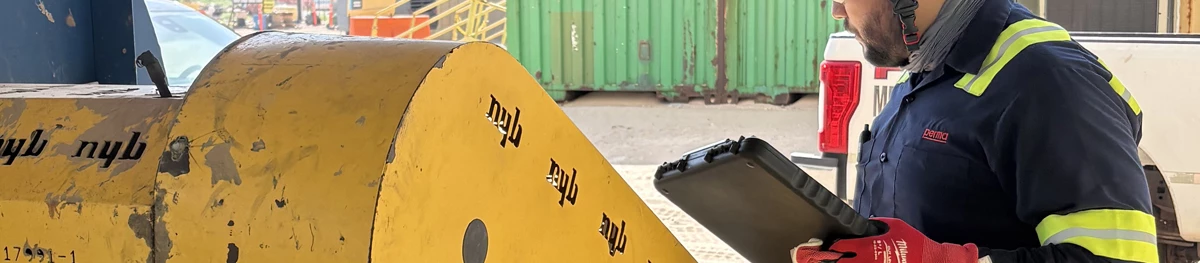
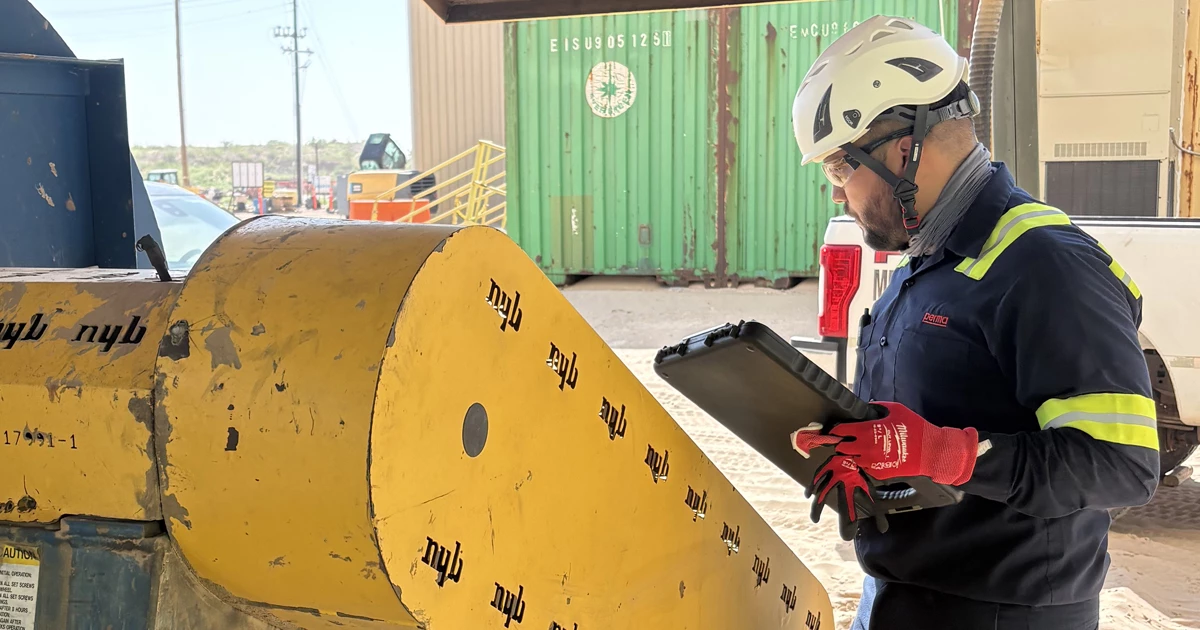
Lubrication routes help maintenance teams keep equipment running smoothly, but they can become difficult to manage, especially as facility growth increases route complexity. Missed lubrication points, delayed intervals, incomplete documentation and hard-to-reach or unsafe points can all create unnecessary risk for maintenance teams.
For hard-to-reach, frequently missed or high-priority lubrication points, automatic lubrication can help maintain a more consistent route without adding additional manual work for technicians. perma USA helps maintenance teams identify where automatic lubrication can make the greatest impact within an existing lubrication strategy.
Route Complexity
Equipment can require thousands of lubrication activities every year, resulting in a large volume of route details, service intervals, lubricant types and point-specific requirements. As this information grows, it can become harder to prioritize the most important lubrication points and keep each route realistic for technicians to complete.
Hard-to-Reach or Unsafe Points
Lubrication points that are difficult to reach or unsafe can disrupt routes and increase risk for technicians. When points are located near moving equipment, elevated areas, confined spaces, or other challenging locations, they are more likely to be delayed, skipped or serviced under less-than-ideal conditions.
Lack of Tracking
A lack of visibility into completed work can make it harder to confirm whether each point was serviced correctly and on schedule. Manual routines without consistent tracking can also make it more difficult to catch equipment changes, repeated tasks, missed lubrication points or excessive or insufficient lubrication.
Inconsistent Route Documentation
When a facility adds, removes, or relocates equipment, lubrication routes may not always be updated right away. This can leave technicians working from outdated instructions or relying on memory for lubricant type, amount, interval or point location.
Missed or Delayed Lubrication Intervals
The addition of new equipment can lead to missed lubrication points and delayed intervals across a route. Inaccurate intervals may also occur when route demands are too high, emergency repairs interrupt planned work or maintenance windows are limited by production schedules.
Manual Maintenance Burden
Pressure to handle time-sensitive repairs can interrupt planned lubrication work and increase the risk of missed steps or incorrect lubrication. Over time, these interruptions can push teams into a more reactive maintenance cycle instead of a planned lubrication approach.
For more examples of issues that can affect lubrication consistency, see perma USA’s guide to common lubrication mistakes and how to avoid them.
What Makes a Lubrication Route Effective?
An effective lubrication route is clear, consistent and realistic for technicians to maintain. The goal is to make each lubrication task easy to understand, easy to document and practical to complete within the realities of the facility.
Effective lubrication strategies should account for:
- Correct Lubricant Type – Lubricant selection should be based on the application, equipment requirements, operating conditions and manufacturer recommendations. Using the wrong lubricant can lead to poor performance, contamination or premature wear.
- Clearly Identified Lubrication Points – Lubrication points should be clearly marked so technicians can quickly identify which points need servicing and reduce the risk of missed or incorrect points.
- Correct Lubricant Amounts – Lubricant volume should be predetermined and precise. Too much or too little lubricant can contribute to buildup, contamination, friction, heat or equipment performance issues.
- Practical Service Intervals – Service intervals should account for lubricant needs, equipment run time, operating environment, temperature and the level of demand placed on each component.
- Safe Access to Each Point – Each point should be safe and practical for technicians to access. When a point is difficult, unsafe or near moving equipment, it may be a strong candidate for automatic lubrication.
- Tracking and Documentation – Effective lubrication routes require clear documentation of point location, lubricant type, amount, interval, application method and completion status. Route tracking or lubrication route software can help teams maintain more consistent information.
- Improved Routes Over Time – Lubrication routes should be reviewed regularly and adjusted based on completed tasks, missed tasks, equipment changes, technician feedback and unexpected downtime.
For selected points that are difficult to access, frequently missed or tied to critical equipment, automatic lubrication can support this strategy by helping teams improve consistency without adding more manual route work.
Ways to Simplify Manual Lubrication Routes
While many factors affect how efficiently lubrication routes are managed, it is possible to simplify them. The goal is to make routes easier to follow, easier to document and easier to improve over time.
Map All Lubrication Points
Mapping all points requires assessing the equipment in the facility and noting the location of each machine, component type, required lubricant, required amount and lubrication interval. This gives the maintenance team a clearer picture of what is currently being done and where the route may need improvement.
Group Points by Location or Equipment Type
Grouping points by location, equipment type or lubricant type can help reduce unnecessary travel time and make routes easier to complete. It can also reduce the risk of cross-contamination when different lubricants are used throughout the facility.
Standardize Labels and Route Documentation
A standard lubrication identification system helps technicians quickly understand what each point requires. Standardizing labels, instructions and route documentation also makes it easier to train team members and maintain consistency across shifts.
Confirm Lubricant Type and Amount
Lubricants should be clearly identified so technicians can confirm they are using the right product in the right place. Routes should also include the correct amount of lubricant at each point to help prevent over- or under-lubrication.
Identify Hard-to-Reach or Frequently Missed Points
Points that are difficult to reach, unsafe to access or easy to overlook are more likely to be missed. These points should be reviewed closely to determine whether the route can be adjusted, access can be improved or automatic lubrication may be a better fit.
Use Route Tracking or Lubrication Route Software
Route tracking can help teams monitor completed work, document changes and reinforce consistent procedures. When used appropriately, the lubrication route software can also help teams identify missed tasks, improve scheduling and make route data easier to manage.
Review Routes Regularly with Technician Feedback
Technicians who complete lubrication routes often have the best insight into what is realistic, inefficient or difficult to maintain. Reviewing routes with technician feedback can help reduce unnecessary steps, adjust ineffective paths and identify points that may need a different lubrication approach.
How Automatic Lubrication Can Help
Adding automatic lubrication systems to your current process can help simplify selected points within a route. This is especially valuable for points that are hard to reach, frequently missed, near moving equipment or require consistent lubrication over time.
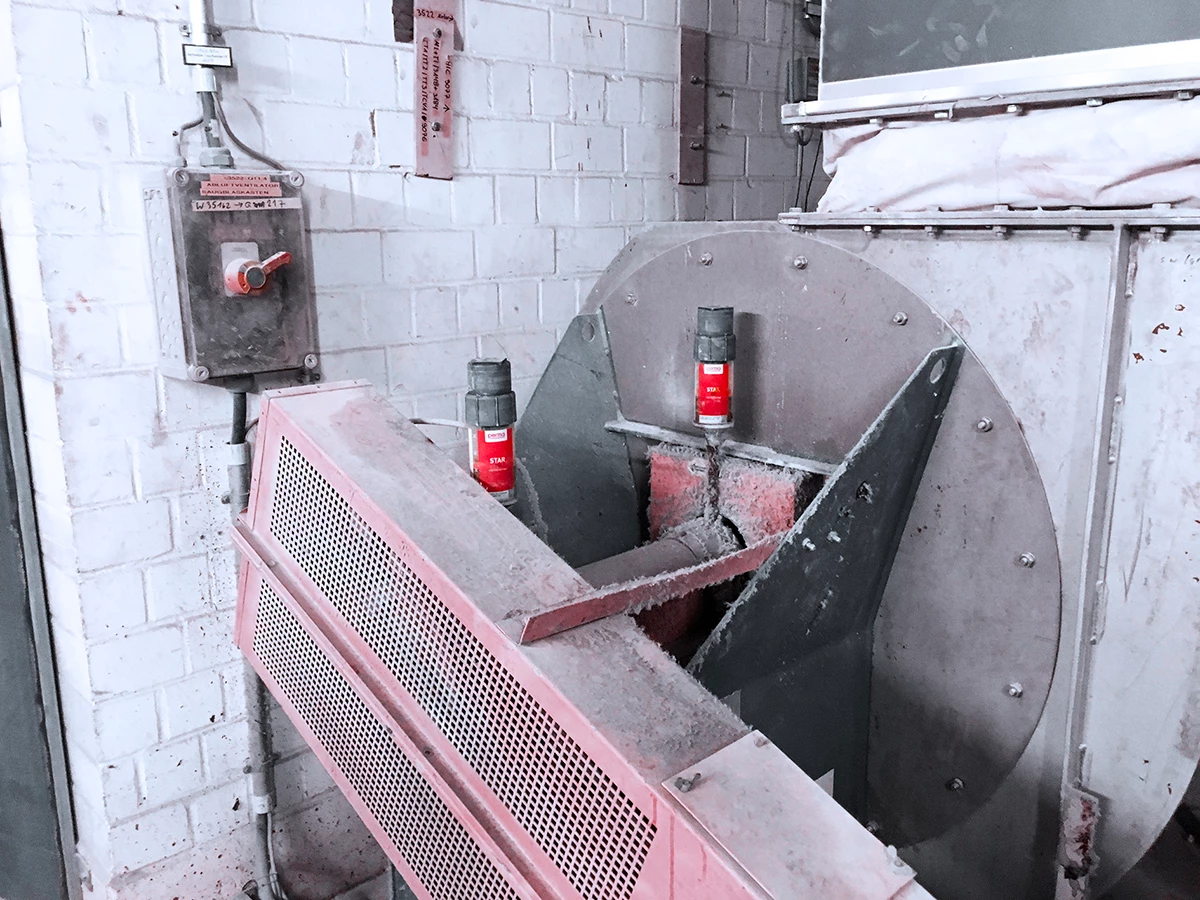
Adding automatic lubrication systems to your current process can help simplify selected points within a route. This is especially valuable for points that are hard to reach, frequently missed, near moving equipment or require consistent lubrication over time.
Single-point lubrication systems can reduce route complexity by delivering lubricant to specific points at set intervals. This helps improve consistency while reducing the manual burden on technicians.
Automatic lubrication does not replace the need for inspection, documentation or a strong lubrication strategy. Instead, it supports skilled maintenance teams by helping make lubrication more consistent where manual access is difficult, unsafe or easy to miss.
For lubrication points that would benefit from remote monitoring, connected options include:
Choosing Which Points to Automate First
Choosing the right points for automation is a key way to make the lubrication process easier for everyone involved. Not every point needs to be automated at once, so it is helpful to prioritize the points that create the most risk, complexity or manual burden.
Hard-to-Reach Lubrication Points
Points that are difficult to access or view are more likely to be missed, creating unnecessary safety concerns for technicians.
Points Near Moving Equipment
Lubrication points located near moving equipment can create safety risks during manual service. Automation can help reduce the need for technicians to access these points as frequently.
Points With Frequently Missed Intervals
Points with frequently missed intervals can increase the risk of wear, damage or unexpected maintenance issues. These points are often strong candidates for automation.
Components Requiring Frequent Lubrication
Parts that run at high speeds, carry heavy loads, operate in high temperatures or run continuously may require more frequent lubrication. Automating selected points can help maintain more consistent lubrication under demanding operating conditions.
Critical Equipment Where Downtime Is Costly
Critical equipment should be prioritized because unexpected downtime can affect production, maintenance schedules and operating costs. For these assets, consistent lubrication can be an important part of protecting uptime.
Simplify Maintenance of Lubrication Routes and Reduce Manual Burden
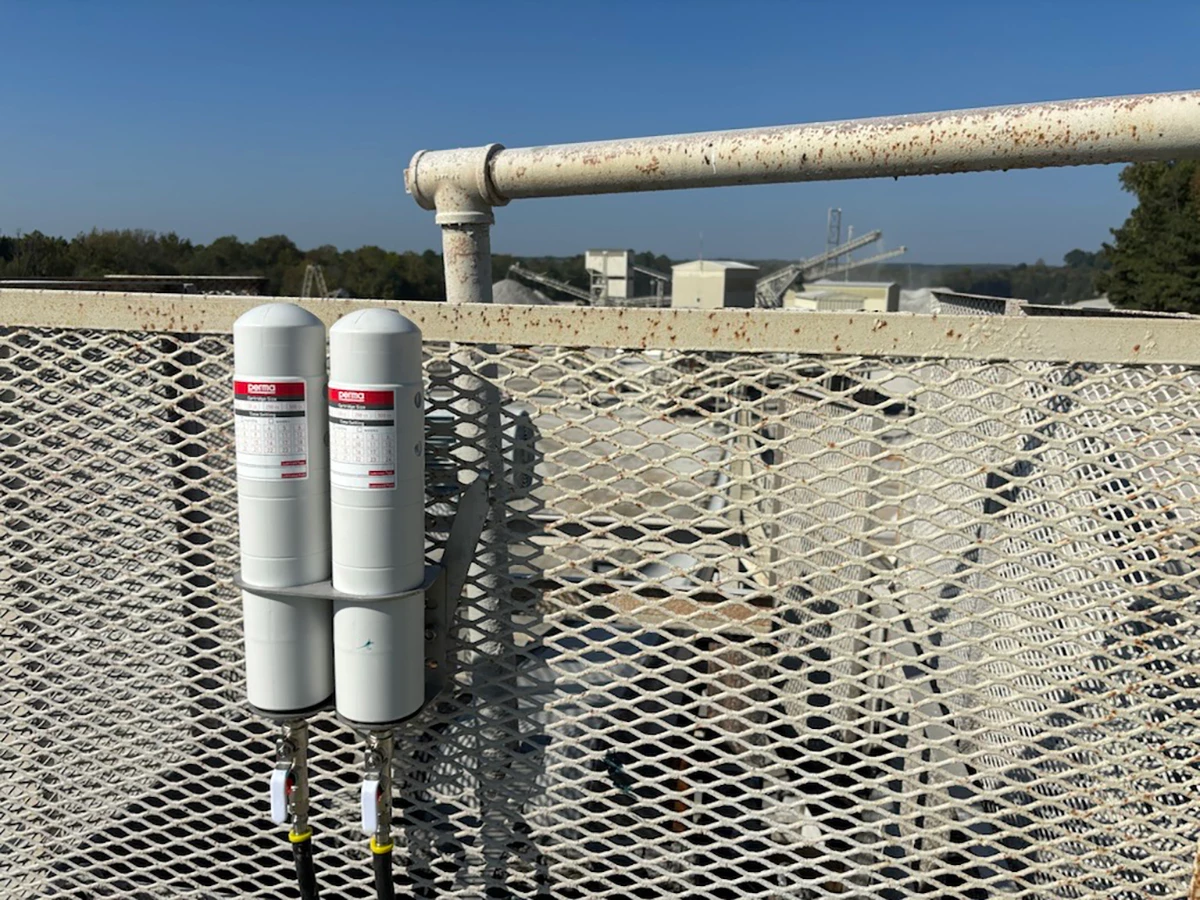
Simplifying manual lubrication routes can help maintenance teams reduce unnecessary steps, improve consistency and identify which points create the most risk or manual burden. Clearer routes, better documentation, technician feedback and automatic lubrication for selected points can all support a more reliable lubrication strategy.
Looking for ways to simplify lubrication routes and reduce manual maintenance demands? Explore perma USA Single-point lubrication systems to see how automatic lubrication can support more consistent, efficient lubrication practices for hard-to-reach, frequently missed or critical lubrication points.