
Most lubrication failures are not caused by a lack of grease. They are caused by inconsistency.
In many facilities, lubrication still depends on manual schedules and human execution. Bearings are greased every 30 days, whether they need it or not. Some points get missed. Others get overfilled. When operating conditions change, the schedule does not.
The result?
- Unplanned downtime
- Premature component failure
- Maintenance events that should not have happened
Even with a preventive maintenance program in place, teams are often operating without real visibility into lubrication performance. That is where the gap exists.
Understanding the difference between preventive and predictive lubrication is the first step toward closing that gap and moving from routine-based maintenance to a strategy built on consistency, control, and real-time insight.
What Is Preventive Lubrication?
Preventive lubrication is a time-based maintenance approach.
It follows a fixed schedule based on manufacturer recommendations or internal maintenance routines. Lubrication tasks are performed at set intervals, regardless of the actual condition of the equipment.
Common examples include:
- Greasing bearings every 30 days
- Replacing lubricant cartridges quarterly
- Following OEM lubrication charts
This approach brought structure to maintenance operations and helped reduce obvious neglect. Instead of reacting to failure, teams began maintaining equipment proactively. That alone is a major improvement.
However, preventive lubrication assumes that operating conditions remain consistent. In reality, they rarely do. Temperature fluctuations, load changes, contamination, and runtime all impact how much lubrication is actually needed. A fixed schedule cannot account for these variables.
This creates two common problems.
- Over-greasing, which can damage seals and bearings
- Under-greasing, which leads to increased friction and premature failure
In addition, preventive lubrication still relies heavily on manual execution. Technicians must follow routes, access equipment, and apply lubrication correctly each time. That introduces variability.
Even well-managed programs leave room for missed points, inconsistent application, and limited visibility into whether lubrication is truly effective.
Preventive maintenance reduces risk, but it does not eliminate uncertainty.
What Is Predictive Lubrication?
Predictive lubrication is a condition-based approach that uses automation and data to ensure lubrication happens exactly when and how it is needed.
Instead of relying on fixed schedules, predictive lubrication adapts to actual operating conditions. It delivers the right amount of lubricant at consistent intervals and provides visibility into performance.
This changes how maintenance teams operate. Lubrication becomes controlled, measurable, and repeatable.
Key characteristics of predictive lubrication include:
- Automated lubricant discharge
- Consistent and precise lubrication volumes
- Reduced reliance on manual routes
- Real-time monitoring of lubrication points
- Alerts before lubrication issues lead to failure
By removing manual variability, predictive lubrication ensures that each lubrication point receives exactly what it needs. No more guesswork. No more missed intervals. No more over-application.
It also introduces something most preventive programs lack: visibility.
Maintenance teams can track lubrication activity, monitor system status, and respond to issues before they escalate into downtime events.
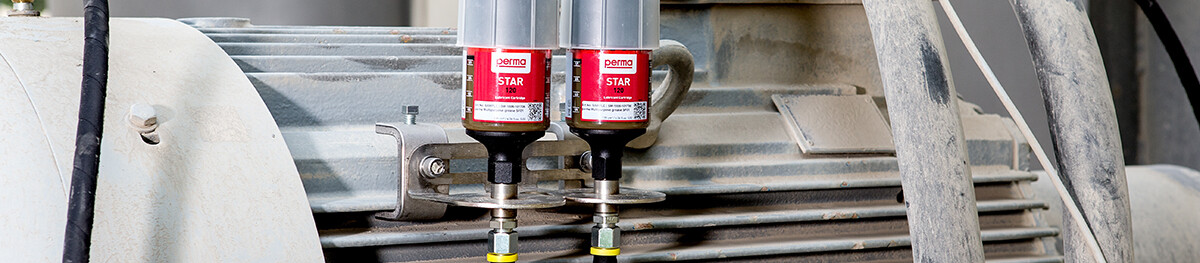
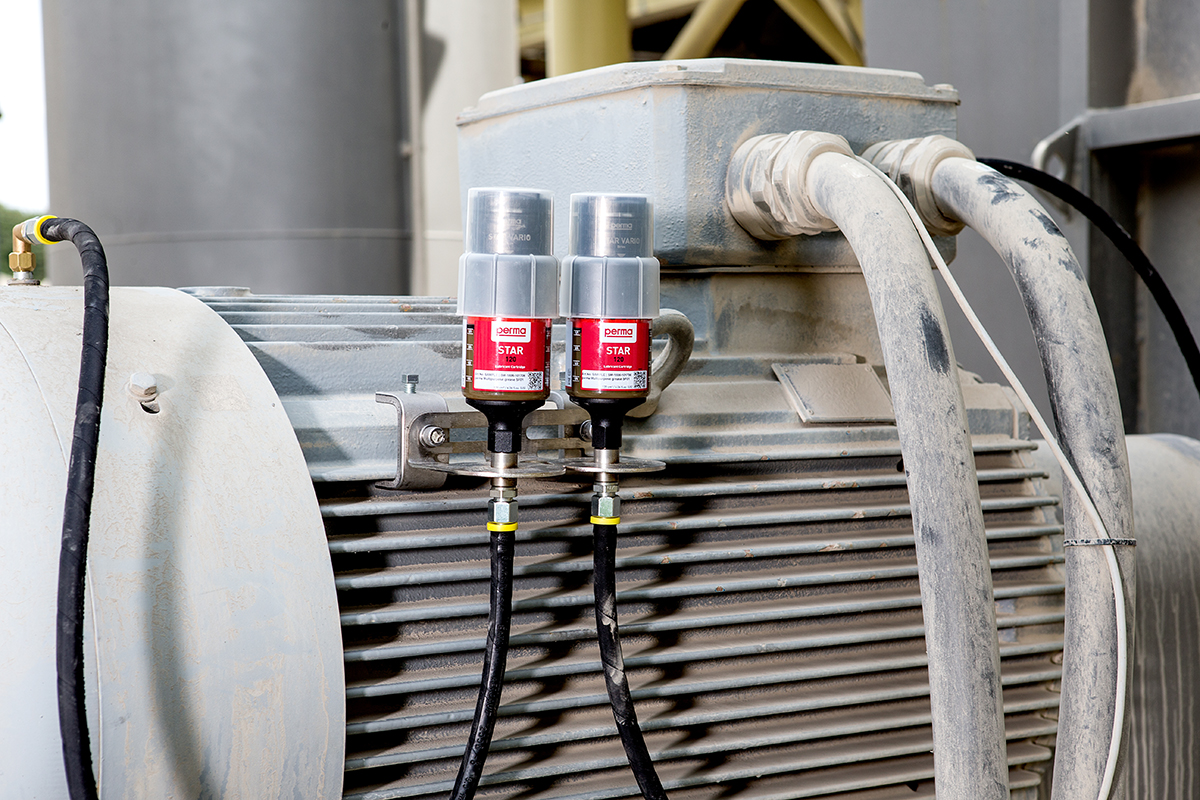
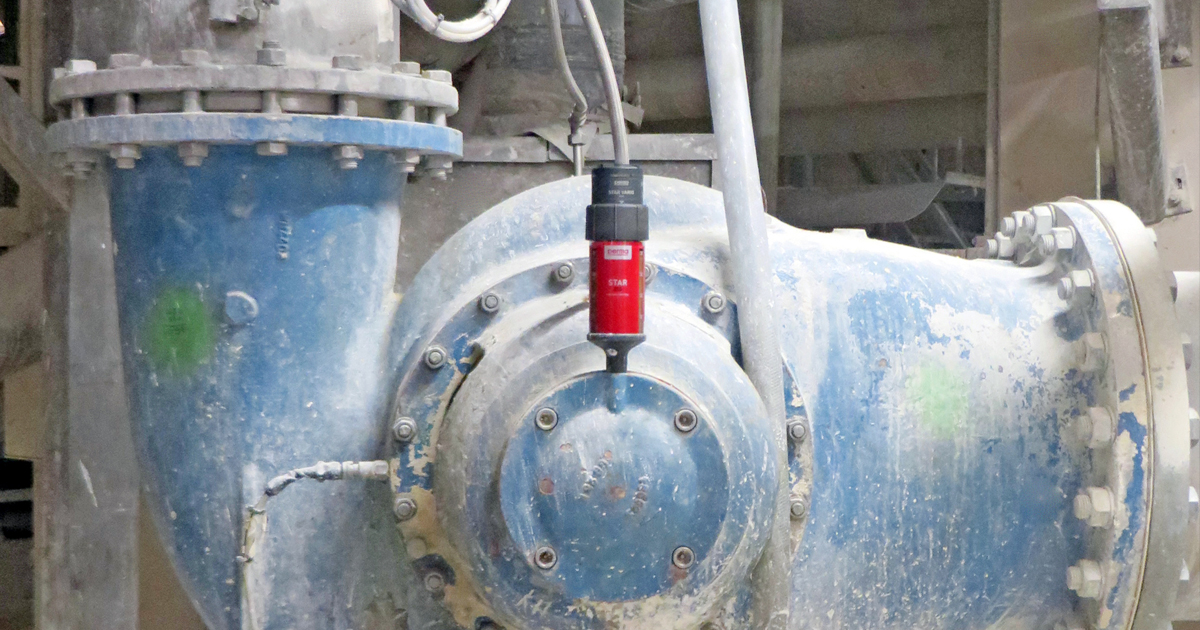
Many facilities are now using single-point lubrication systems to automate lubrication delivery and maintain consistent performance across critical assets.
With connected solutions like perma CONNECT, teams can monitor lubrication points remotely, receive alerts, and integrate lubrication data into their broader maintenance strategy.
Instead of reacting to failures, teams gain the ability to prevent them.
Preventive vs Predictive Lubrication: Key Differences
While both approaches aim to reduce equipment failure, the way they operate and the results they deliver are fundamentally different.
Here is how they compare:
Preventive vs Predictive Lubrication: What’s the Real Difference?
Preventive lubrication creates structure. Predictive lubrication creates control.
That difference is what allows maintenance teams to move from reacting to problems to actively preventing them.
The Hidden Cost of Staying Preventive
At first glance, preventive lubrication feels like a safe and structured approach. Schedules are in place. Tasks are assigned. Maintenance is being performed.
But underneath that structure, hidden costs continue to build.
When lubrication is based on time instead of condition, mistakes are not eliminated.
They are simply repeated on a schedule.
- Over-greasing is one of the most common issues. Excess lubricant can increase pressure inside bearings, damage seals, and lead to premature failure.
- Under-greasing creates a different risk. Without enough lubrication, friction increases, heat builds up, and components wear out faster than expected.
Both scenarios lead to the same outcome: unplanned downtime.
There is also the cost of labor
Technicians spend hours walking lubrication routes, accessing hard-to-reach points, and performing repetitive manual tasks. Even in well-managed programs, this process is time-consuming and difficult to standardize across teams.
And then there are the failures that should not happen:
- A missed lubrication point.
- An interval that was too long.
- A change in operating conditions that went unnoticed.
These are the events that lead to emergency maintenance, production interruptions, and costly repairs.
Preventive maintenance reduces chaos. Predictive lubrication reduces cost.
How to Move from Preventive to Predictive Lubrication
Transitioning from preventive to predictive lubrication does not require a complete overhaul of your maintenance program.
It starts with a few focused changes that improve consistency, visibility, and control.
Identify High-Risk Lubrication Points
Not every asset needs to be addressed at once.
Start with equipment that has:
- Frequent failures
- High downtime costs
- Difficult access points
- Critical impact on production
These are the areas where inconsistency creates the most risk and where improvements will deliver the fastest return.
2. Replace Manual Lubrication with Automated Systems
Manual lubrication introduces variability. Automated systems remove it.
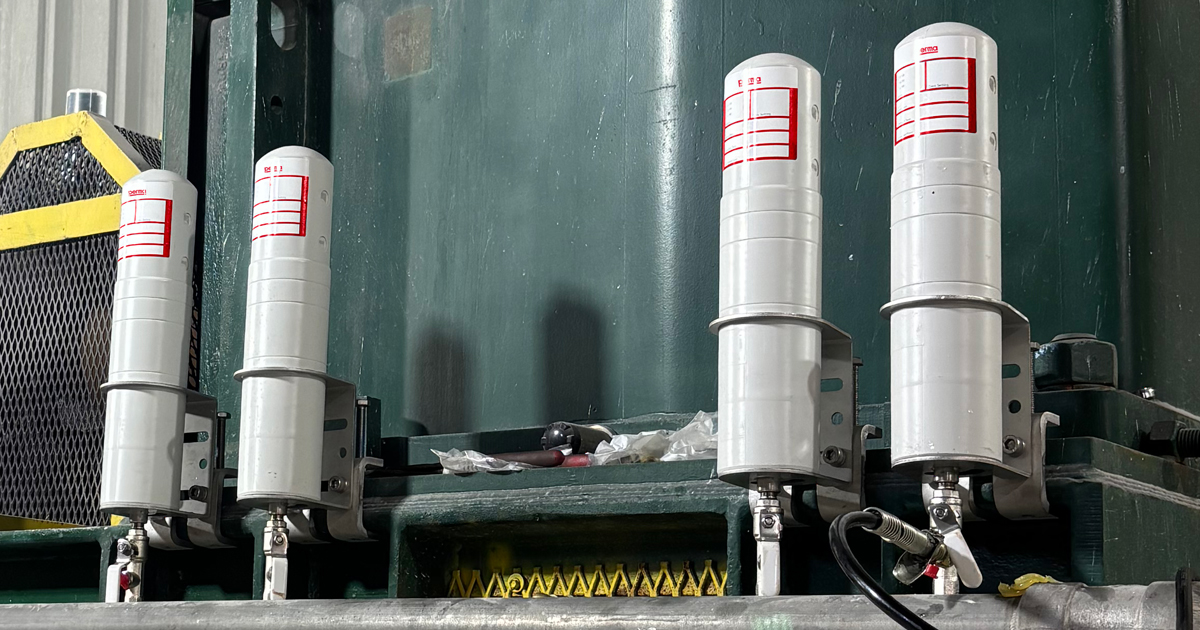
By implementing single-point lubrication systems, teams can ensure consistent lubricant delivery at controlled intervals without relying on manual application.
This immediately reduces the risk of over-greasing, under-greasing, and missed lubrication points.
3. Introduce Monitoring and Visibility
Consistency alone is not enough. To fully shift to predictive lubrication, teams need visibility into what is happening at each lubrication point.
With tools like perma CONNECT, maintenance teams can monitor lubrication activity, receive alerts, and respond before issues turn into failures.
This turns lubrication from a manual task into a measurable, trackable process.
4. Scale Across Critical Assets
Once automated and monitored lubrication is in place on high-risk equipment, the approach can be expanded across the facility.
- Standardization becomes easier.
- Maintenance becomes more predictable.
- And teams spend less time reacting to problems.
5. Integrate into Your Maintenance Strategy
Predictive lubrication is not a standalone improvement. It strengthens your entire reliability program.
By combining automation, monitoring, and data, lubrication becomes part of a broader strategy focused on uptime, efficiency, and long-term asset performance.
Facilities that take this approach are not just improving lubrication. They are reducing downtime, increasing reliability, and moving away from reactive maintenance for good.
Moving Beyond Scheduled Maintenance
Preventive lubrication was an important step forward for maintenance teams. It introduced structure, reduced neglect, and helped avoid obvious failures.
But it was never designed to handle changing operating conditions, increasing production demands, or the need for real-time visibility.
That is where predictive lubrication makes the difference.
By replacing manual schedules with automated delivery and adding monitoring and control, maintenance teams can eliminate inconsistency and prevent lubrication-related failures before they happen.
The result is not just fewer breakdowns. It is a more reliable, efficient operation with less time spent reacting and more time focused on performance.
If your team is still relying on time-based lubrication schedules, it may be time to evaluate a more controlled and data-driven approach.
Explore single-point lubrication systems designed to reduce downtime and improve reliability.